
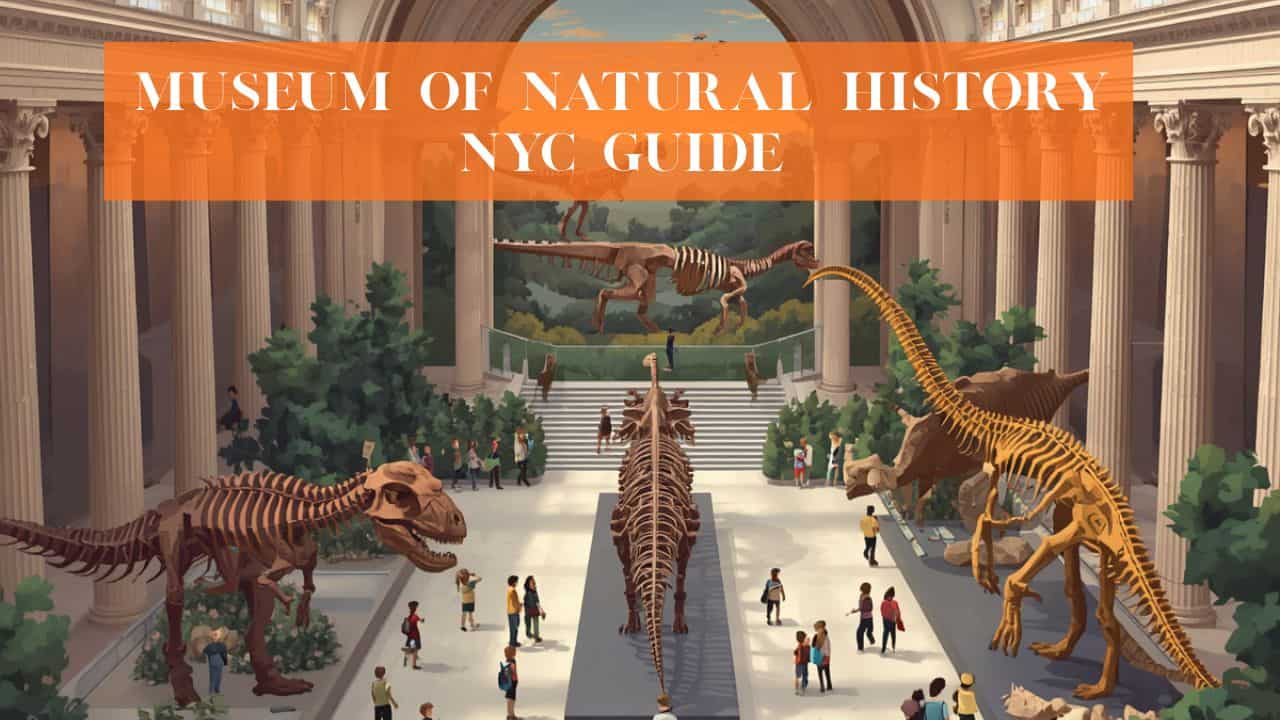
Museum of Natural History NYC Guide
The Museum of Natural History in New York City is one of the largest and most celebrated museums in the world. Established in 1869, the museum is renowned for its vast collection of over 33 million specimens and artifacts. Situated in Manhattan’s Upper West Side, adjacent to Central Park, this institution offers visitors an unparalleled journey through time, space, and the natural world.
Historical Background
The American Museum of Natural History (AMNH) was founded by a group of prominent New Yorkers, including Theodore Roosevelt Sr., the father of the 26th U.S. President. The museum’s mission was to advance knowledge of natural sciences and share this knowledge with the public. Over the years, the museum has expanded significantly, both in physical space and in the breadth of its collections, becoming a cornerstone of educational and scientific research.
Architectural Significance
The museum’s architecture is a blend of classical and modern styles, reflecting its growth over more than a century. The original building, designed by Calvert Vaux and J. Wrey Mould, showcases a Romanesque Revival style, while later additions like the Rose Center for Earth and Space bring a sleek, contemporary touch. The building itself is an artifact, with its grand facades and intricate details offering a visual journey through history.
Exploring the Museum’s Exhibits
American Museum of Natural History NYC – Full Guide, Exhibits, Tickets & Tips
The American Museum of Natural History NYC is one of the most famous museums in the world, located next to Central Park on the Upper West Side. Known for its dinosaur fossils, space exhibits, and interactive displays, it offers an unforgettable experience for visitors of all ages.
In this complete guide, you’ll discover the museum’s highlights, collections, and everything you need to plan your visit.
👉 Best museums in NYC:
https://stepwisewonders.com/best-museums-in-new-york/
👉 Things to do in Manhattan:
https://stepwisewonders.com/things-to-do-in-manhattan/
👉 Central Park guide:
https://stepwisewonders.com/top-10-things-to-do-in-central-park/
🦖 Exploring the Museum’s Exhibits
🦕 Dinosaur Fossils and Hall of Saurischian Dinosaurs
One of the museum’s most iconic exhibits is the Hall of Saurischian Dinosaurs, home to a remarkable collection of dinosaur fossils, including the towering Tyrannosaurus rex and the long-necked Apatosaurus. This hall captures the imagination of both children and adults, providing a glimpse into a world that existed millions of years ago.
👉 https://www.amnh.org/exhibitions/dinosaurs
🐘 Mammal Halls
The Mammal Halls feature dioramas that meticulously recreate the natural habitats of mammals from around the globe. From the African elephants in the Akeley Hall of African Mammals to the American bison in the Hall of North American Mammals, these exhibits highlight the diversity of the animal kingdom and the importance of conservation.
🌊 Ocean Life and the Giant Blue Whale
The Milstein Hall of Ocean Life is famous for its life-sized model of a blue whale, suspended from the ceiling. This exhibit offers an immersive experience, with displays covering the vast diversity of oceanic life, from the smallest plankton to the largest marine mammals. Interactive displays and models help visitors understand marine ecosystems.
🌍 Biodiversity and Environmental Exhibits
The museum is also a leader in showcasing the importance of biodiversity. Exhibits such as the Hall of Biodiversity highlight the intricate web of life on Earth and the critical need for conservation efforts. Visitors learn about environmental challenges and solutions.
💎 Special Collections and Rare Artifacts
💎 The Star of India Sapphire
The museum’s gem collection includes famous gemstones like the Star of India. This 563-carat sapphire is the largest of its kind and has a fascinating history, including a theft in 1964.
☄️ Meteorites and Space Artifacts
The Arthur Ross Hall of Meteorites displays space rocks that traveled millions of miles. Highlights include the Cape York meteorite, one of the largest ever discovered.
🧬 Human Origins and Cultural Artifacts
The Hall of Human Origins explores the evolution of humankind, featuring fossils and artifacts from ancient civilizations. It provides a deep understanding of human history.
🎓 Educational Programs and Resources
The museum offers extensive educational programs for students, families, and adults. Workshops, lectures, and online resources make learning accessible worldwide.
👉 NYC travel tips:
https://stepwisewonders.com/new-york-travel-tips/
🌌 The Hayden Planetarium and Space Shows
The Hayden Planetarium is one of the museum’s highlights, offering immersive space shows and astronomy exhibits. Visitors can explore the universe through cutting-edge visualizations and interactive displays.
👉 https://www.amnh.org/plan-your-visit/hayden-planetarium
🔬 Research and Conservation Efforts
The museum is a major scientific research center, contributing to discoveries in paleontology, anthropology, and ecology. Its conservation initiatives help protect biodiversity worldwide.
📍 Visiting the Museum
📍 Location
Central Park West & 79th St, New York, NY
🚇 How to Get There
Accessible via subway (B, C trains).
👉 Subway guide:
https://stepwisewonders.com/how-to-use-the-new-york-subway/
🎟️ Tickets
Pay-what-you-wish admission for general entry. Special exhibits require tickets.
👉 https://www.amnh.org/plan-your-visit
🧭 Guided Tours and Experiences
Visitors can explore via self-guided tours, guided tours, or interactive VR experiences. These enhance the overall experience significantly.
🌍 The Rose Center for Earth and Space
A modern addition featuring space science exhibits and the Hayden Planetarium. It’s one of the most impressive parts of the museum.
🎬 Museum in Pop Culture
The museum is famous from movies like Night at the Museum. It has become a cultural icon worldwide.
🍽️ Dining and Shopping
Visitors can enjoy cafes and shops offering unique souvenirs. Items include fossils, books, and educational toys.
👉 NYC shopping guide:
https://stepwisewonders.com/shopping-in-new-york/
🌱 Sustainability & Innovation
The museum promotes sustainability through eco-friendly practices and educational programs. It plays a key role in raising awareness about environmental issues.
💻 Virtual Tours & Online Experiences
The museum offers virtual tours, VR experiences, and online collections for global access. These digital tools expand its reach beyond NYC.
👉 Virtual tours:
https://www.amnh.org/explore
🎯 Final Thoughts
The American Museum of Natural History NYC is more than just a museum—it’s an educational and cultural experience that spans millions of years of history. Whether you’re interested in dinosaurs, space, or human evolution, it’s a must-visit in New York City.
FAQs About the Museum of Natural History NYC
What Are the Museum’s Must-See Exhibits?
Some of the must-see exhibits at the Museum of Natural History NYC include the Hall of Saurischian Dinosaurs, the Milstein Hall of Ocean Life, and the Hayden Planetarium. These exhibits offer unique and unforgettable experiences that highlight the museum’s diverse collections.
Are There Any Free Admission Days?
Yes, the museum offers a “pay what you wish” admission policy for general entry, which allows visitors to choose the amount they would like to pay. This policy makes the museum accessible to everyone, regardless of budget.
Can I Host a Private Event at the Museum?
Yes, the museum offers venues for private events, including corporate functions, weddings, and receptions. The museum’s stunning halls and unique exhibits provide an exceptional setting for any event.
Is the Museum Kid-Friendly?
Absolutely! The museum is very kid-friendly, with exhibits and programs designed to engage and educate children of all ages. The Discovery Room, specifically designed for young visitors, offers hands-on activities and interactive exhibits that encourage exploration and learning.
How Do I Get to the Museum Using Public Transportation?
The museum is easily accessible by public transportation. The nearest subway station is 81st Street – Museum of Natural History, served by the B and C lines. Several bus routes also stop near the museum, making it convenient to reach from anywhere in the city.
What Precautions Has the Museum Taken Regarding COVID-19?
The museum has implemented several health and safety measures in response to COVID-19, including enhanced cleaning protocols, timed ticketing to control the number of visitors, and the requirement for masks in certain areas. Visitors are encouraged to check the museum’s website for the latest information on these precautions.
