
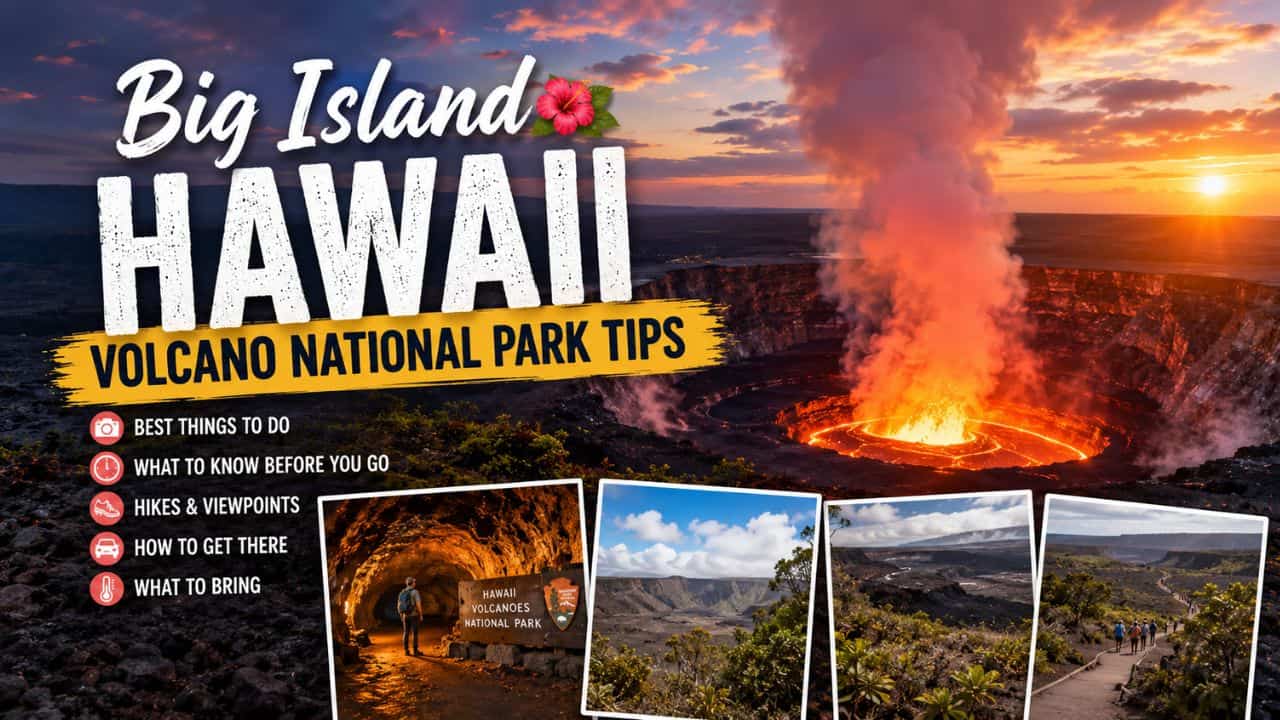
Big Island Hawaii Volcano National Park Tips: Ultimate Travel Guide for First-Time Visitors
Big Island Hawaii Volcano National Park Tips: Complete Visitor Guide
Hawaii Volcanoes National Park is one of the most unique destinations in the world and easily one of the top things to do in Big Island Hawaii. Few places allow travelers to explore active volcanic landscapes, lava fields, steam vents, craters, and dramatic geological scenery in such an accessible way.
However, many first-time visitors underestimate:
- the park’s size
- changing weather
- hiking conditions
- driving times
- elevation changes
This complete guide covers the most important Big Island Hawaii Volcano National Park tips to help you:
- plan your visit properly
- avoid common mistakes
- maximize your experience
- stay safe while exploring
If you are planning a full island trip, start here:
Big Island itinerary – complete travel guide:
https://stepwisewonders.com/big-island-itinerary/
🌋 Why Hawaii Volcanoes National Park Is So Special
The park protects two of the world’s most famous volcanoes:
- Kīlauea
- Mauna Loa
This landscape constantly changes because of volcanic activity.
You can experience:
- lava fields
- volcanic craters
- steam vents
- lava tubes
- scenic drives
- hiking trails
- dramatic viewpoints
The scenery often feels more like another planet than a tropical island.
Official park information:
https://www.nps.gov/havo/index.htm
🌴 Where Is Hawaii Volcanoes National Park?
The park is located on the southeastern side of the Big Island near:
- Volcano Village
- Hilo
Approximate driving times:
- Kona → 2.5–3 hours
- Hilo → 45 minutes
One of the biggest mistakes travelers make:
👉 underestimating driving distances.
🚗 Do You Need a Rental Car?
Yes — absolutely.
Public transportation options are extremely limited.
A rental car gives you:
- flexibility
- easier park access
- ability to explore scenic drives
- access to multiple hiking areas
The park is large, and driving between sections takes time.
🌋 Best Time to Visit Volcanoes National Park
The park is open year-round, but conditions vary depending on:
- weather
- volcanic activity
- time of day
🌤️ Best Overall Months
Ideal months:
👉 April–May
👉 September–October
Advantages:
- fewer crowds
- pleasant temperatures
- better driving conditions
🌧️ Weather Conditions Surprise Many Visitors
One of the most important Big Island Hawaii Volcano National Park tips:
👉 the park can feel cold and wet.
Even when beaches are hot:
- temperatures may drop significantly
- rain becomes common
- wind increases at higher elevations
Bring:
- jacket
- layers
- comfortable shoes
Official weather updates:
https://www.weather.gov/hfo/
🧭 How Much Time Do You Need?
Minimum recommended:
👉 one full day.
Ideal:
👉 2 days if possible.
Why?
Because the park includes:
- scenic drives
- hiking trails
- crater viewpoints
- lava fields
- multiple visitor areas
Trying to rush through the park reduces the experience dramatically.
🌋 Top Attractions Inside the Park
There are many incredible highlights, but some are essential for first-time visitors.
🌊 1. Kīlauea Overlook
One of the park’s most famous viewpoints.
Why travelers love it:
- massive volcanic crater views
- steam activity
- dramatic scenery
Conditions vary depending on current volcanic activity.
🌋 2. Chain of Craters Road
One of the most scenic drives in Hawaii.
This road takes you through:
- lava fields
- old eruption sites
- coastal volcanic scenery
The contrast between black lava rock and ocean views is unforgettable.
🌴 3. Thurston Lava Tube
One of the easiest and most popular attractions.
You walk through:
👉 an ancient lava tunnel.
The surrounding rainforest creates a dramatic contrast with the volcanic landscape.
🌺 4. Steam Vents
An easy stop where volcanic steam rises directly from the earth.
This area helps visitors understand:
- geothermal activity
- volcanic heat beneath the surface
🥾 5. Crater Rim Trail
One of the best hiking options in the park.
Highlights include:
- crater views
- lava landscapes
- volcanic terrain
Trail conditions vary depending on:
- weather
- volcanic activity
🚗 Start Early — One of the Most Important Volcano Tips
The best strategy:
👉 arrive early.
Benefits:
- cooler temperatures
- fewer crowds
- easier parking
- better lighting for photos
Popular parking areas fill quickly later in the day.
📸 Photography Tips
Volcanoes National Park is extremely photogenic.
Best photography times:
👉 sunrise
👉 sunset
👉 cloudy dramatic weather
Great photography subjects:
- lava fields
- craters
- steam vents
- volcanic roads
⚠️ Safety Tips Inside the Park
The volcanic landscape can be dangerous if visitors ignore warnings.
Important safety advice:
- stay on marked trails
- avoid restricted areas
- respect warning signs
- carry water constantly
Volcanic rock is:
- sharp
- uneven
- unstable in some areas
🌋 Lava Viewing Reality
Many travelers expect to see flowing lava.
Important:
👉 visible lava is NOT guaranteed.
Volcanic activity changes constantly.
Always check official updates before visiting:
https://www.nps.gov/havo/planyourvisit/lava2.htm
🌴 Volcano Village: Worth Staying Overnight?
Yes — especially for slower travel styles.
Benefits:
- easier sunrise access
- less driving stress
- cooler atmosphere
- unique volcanic scenery
Many travelers regret rushing through the area in one day.
💡 Mindset Tip for Visiting Volcanoes National Park
One of the most valuable Big Island Hawaii Volcano National Park tips:
👉 slow down.
This is not just a quick photo stop destination.
The best experiences happen when you:
- explore trails slowly
- stop at viewpoints
- appreciate geological details
- enjoy the constantly changing scenery
🌴 Mid-Conclusion
Hawaii Volcanoes National Park is one of the most fascinating destinations in Hawaii because it combines:
- geology
- hiking
- volcanic landscapes
- scenic drives
- rainforest environments
Into one unforgettable experience.
Proper planning dramatically improves the visit, especially when it comes to weather, timing, and realistic expectations.
🥾 Best Hiking Strategy in Volcanoes National Park
One of the biggest highlights of visiting the park is hiking through landscapes that feel completely different from anywhere else in Hawaii. Some trails cross:
- fresh lava fields
- volcanic craters
- rainforests
- steam vents
- rugged desert-like terrain
The best Big Island Hawaii Volcano National Park tips always include planning hikes carefully.
🌋 Best Easy Hikes
Not every visitor wants difficult volcanic hikes. Fortunately, the park offers excellent beginner-friendly options.
🌴 Thurston Lava Tube Trail
One of the easiest and most popular walks.
Why visitors love it:
- short trail
- rainforest scenery
- lava tube experience
- accessible for most travelers
This is one of the best first stops for understanding volcanic geology.
🌺 Steam Vents Trail
A quick and easy stop where geothermal steam rises directly from the ground.
Great for:
- short visits
- photography
- understanding volcanic activity
🌋 Best Moderate Hikes
For travelers wanting deeper exploration.
🥾 Crater Rim Trail
One of the most scenic hiking experiences in the park.
Highlights:
- crater views
- lava landscapes
- volcanic scenery
Conditions vary depending on volcanic activity.
🌊 Kīlauea Iki Trail
One of the best hikes in Hawaii.
Why?
Because you descend directly into an ancient lava crater.
The experience includes:
- rainforest
- crater crossing
- volcanic terrain
- dramatic scenery changes
Many travelers consider this the best hike in the park.
🌋 Best Advanced Hikes
More experienced hikers can explore:
- backcountry lava fields
- longer crater routes
- coastal volcanic trails
Important:
- weather changes quickly
- volcanic terrain is rough
- preparation matters greatly
Official trail updates:
https://www.nps.gov/havo/planyourvisit/hike_day.htm
⚠️ Lava Field Safety Tips
One of the most important Big Island Hawaii Volcano National Park tips:
👉 lava rock is dangerous.
It may look stable, but volcanic terrain can be:
- sharp
- uneven
- unstable
Important safety advice:
- stay on marked trails
- avoid climbing unstable formations
- wear proper shoes
Falling on lava rock can cause serious injuries.
🌧️ Weather Changes Fast
Many travelers arrive expecting tropical beach weather.
However:
- rain is common
- temperatures drop quickly
- wind increases at elevation
Especially during:
- mornings
- evenings
- cloudy conditions
Always pack layers.
📦 What to Pack for Volcanoes National Park
Packing correctly dramatically improves the experience.
✅ Essential Items
Bring:
- hiking shoes
- jacket
- water
- sunscreen
- snacks
- portable charger
✅ Helpful Extras
Useful items include:
- rain jacket
- flashlight
- offline maps
- camera equipment
Cell service can become inconsistent in some areas.
🚗 Best Scenic Drives Inside the Park
Driving is a major part of the experience.
🌋 Chain of Craters Road
The most famous drive in the park.
Why it’s incredible:
- lava fields
- ocean cliffs
- volcanic scenery
- changing landscapes
This road demonstrates the island’s geological power better than almost anywhere else in Hawaii.
🌊 Coastal Lava Scenery
As you descend toward the coast:
- landscapes become more dramatic
- lava fields stretch for miles
- ocean contrasts become incredible
Photography opportunities increase constantly.
🌴 Hidden Areas Many Travelers Miss
Some of the best experiences happen away from the busiest viewpoints.
Hidden gems include:
- quieter lava fields
- less crowded trails
- scenic pull-offs
- smaller crater viewpoints
The park rewards slower exploration.
🌋 Should You Visit During Day or Night?
Both experiences are excellent.
☀️ Daytime Advantages
Best for:
- hiking
- photography
- crater views
- scenic drives
🌌 Nighttime Advantages
If volcanic glow is visible:
👉 nighttime becomes incredible.
You may experience:
- glowing crater views
- dramatic atmosphere
- fewer crowds
Always check current volcanic conditions first.
Official lava updates:
https://www.nps.gov/havo/planyourvisit/lava2.htm
🏨 Best Places to Stay Near the Park
Choosing the right accommodation improves your visit dramatically.
🌺 Volcano Village
Best option for:
- park access
- slower travel style
- cooler climate
Perfect for:
- photographers
- hikers
- early park access
🌊 Hilo
Best for:
- restaurants
- waterfalls
- local atmosphere
Good balance between:
- comfort
- accessibility
- attractions
🚗 Kona vs Staying Near the Park
One of the biggest mistakes:
👉 driving from Kona for only a quick visit.
The roundtrip becomes exhausting.
Staying near:
- Volcano Village
or - Hilo
Creates a much better experience.
⚠️ Biggest Volcano National Park Mistakes
Avoid these common problems.
❌ Underestimating the Park Size
The park is much larger than many visitors expect.
❌ Arriving Without Layers
Cold weather surprises many travelers.
❌ Expecting Constant Visible Lava
Volcanic activity changes continuously.
❌ Rushing Through the Park
This destination deserves slow exploration.
❌ Ignoring Trail Safety
Lava rock terrain requires caution.
🌋 Best Volcanoes National Park Mindset
The best experiences happen when travelers:
- slow down
- stay flexible
- respect nature
- appreciate geological details
This park is not simply a tourist attraction.
It is one of the most geologically fascinating places on Earth.
🌴 Mid-Conclusion
The best Big Island Hawaii Volcano National Park tips focus on preparation, flexibility, and realistic expectations.
Travelers who:
- wear proper gear
- allow enough time
- stay patient
- explore slowly
Usually enjoy the park far more than those trying to rush through it.
🧭 Best Volcanoes National Park Itinerary Strategy
One of the smartest Big Island Hawaii Volcano National Park tips is understanding that the park should not feel rushed. Many travelers underestimate how much time they need, especially once they begin stopping at scenic viewpoints, lava fields, hiking trails, and crater overlooks.
The best strategy:
👉 combine driving, short walks, and one major hike.
This creates a balanced experience without exhaustion.
🌋 Recommended Full-Day Volcanoes National Park Itinerary
Here is one of the best ways to structure your visit.
🌅 Morning (7:00–10:00 AM)
Start early for:
- cooler temperatures
- fewer crowds
- easier parking
- better lighting for photos
Best morning stops:
- Kīlauea Visitor Center
- Steam Vents
- Kīlauea Overlook
- Crater Rim viewpoints
Morning fog often creates dramatic volcanic atmosphere.
🥾 Midday (10:00 AM–2:00 PM)
This is the ideal time for:
- hiking
- lava tube exploration
- scenic crater trails
Best midday hike:
👉 Kīlauea Iki Trail
Why?
Because it combines:
- rainforest
- crater crossing
- volcanic scenery
- constantly changing landscapes
This hike gives visitors the strongest “volcano experience.”
🌊 Afternoon (2:00–5:00 PM)
Perfect time for:
👉 Chain of Craters Road.
This scenic drive becomes one of the highlights of the entire park.
You will experience:
- lava fields
- coastal cliffs
- volcanic desert scenery
- dramatic ocean views
Few roads in the world feel this unique.
🌌 Evening (Optional Night Visit)
If conditions allow:
👉 nighttime volcano viewing can become unforgettable.
Depending on volcanic activity, you may see:
- crater glow
- dramatic steam effects
- glowing lava reflection in clouds
Official volcanic activity updates:
https://www.nps.gov/havo/planyourvisit/lava2.htm
📸 Best Photography Locations
Volcanoes National Park is one of Hawaii’s best photography destinations.
🌋 Best Crater Photography Spots
Top viewpoints:
- Kīlauea Overlook
- Crater Rim Trail
- steam vent areas
Best conditions:
👉 sunrise
👉 sunset
👉 cloudy dramatic weather
🌊 Best Lava Landscape Photography
Chain of Craters Road offers:
- lava textures
- coastal contrasts
- volcanic formations
- dramatic wide-angle scenery
The black lava rock against the Pacific Ocean creates incredible contrast.
🌴 Rainforest Photography
One of the most surprising parts of the park:
👉 tropical rainforest inside volcanic environment.
Best rainforest photography:
- Thurston Lava Tube area
- lush crater edges
- misty trails
🌋 Hidden Gems Most Travelers Miss
Some of the best areas are not the most famous.
🌺 Less Crowded Viewpoints
Many travelers stop only at major overlooks.
However:
smaller pull-offs often offer:
- quieter scenery
- better photography
- peaceful atmosphere
🥾 Short Side Trails
Some short unofficial-feeling side walks near marked trails reveal:
- lava textures
- volcanic details
- unique viewpoints
Always remain inside permitted areas.
🌊 Coastal Lava Areas
Lower sections of Chain of Craters Road often receive fewer visitors.
The coastal volcanic scenery feels:
- raw
- dramatic
- untouched
Especially during late afternoon light.
👨👩👧 Volcano National Park Tips for Families
The park works surprisingly well for families if expectations stay realistic.
✅ Best Family Activities
Good options:
- Thurston Lava Tube
- scenic overlooks
- steam vents
- short walks
Children usually love:
- lava landscapes
- crater views
- volcanic stories
⚠️ Important Family Safety Tips
Parents should watch carefully near:
- cliffs
- uneven lava rock
- steep viewpoints
The volcanic terrain can be hazardous.
🌧️ What Many Travelers Don’t Expect
One of the biggest surprises:
👉 how emotionally powerful the park feels.
The combination of:
- volcanic landscapes
- steam
- crater views
- silence
- geological scale
Creates a very different atmosphere compared to Hawaii beaches and resorts.
The park feels:
- ancient
- raw
- constantly evolving
🚗 Best Overall Volcanoes National Park Strategy
✅ Arrive early
Avoid crowds and parking issues.
✅ Wear hiking shoes
Lava terrain is sharp and uneven.
✅ Bring layers
Weather changes quickly.
✅ Focus on fewer experiences
Do not rush every trail.
✅ Stay flexible
Volcanic conditions constantly change.
🌋 Why Volcanoes National Park Is Worth Visiting
For many travelers, Hawaii Volcanoes National Park becomes:
👉 the highlight of the entire Big Island trip.
Very few destinations in the world allow visitors to experience:
- active volcanic landscapes
- lava fields
- craters
- rainforest
- ocean cliffs
Within one accessible national park.
The geological diversity feels extraordinary.
🌴 Final Thoughts
The best Big Island Hawaii Volcano National Park tips focus on slowing down, preparing properly, and appreciating the unique volcanic environment.
Travelers who:
- allow enough time
- dress properly
- stay flexible
- explore beyond quick photo stops
Usually enjoy the experience far more deeply.
Volcanoes National Park is not just another Hawaii attraction. It is one of the most fascinating natural landscapes in the world and one of the strongest reasons the Big Island feels so unique.
For broader island planning:
Big Island itinerary – complete guide:
https://stepwisewonders.com/big-island-itinerary/
❓ FAQ
Is Hawaii Volcanoes National Park worth visiting?
Yes, it is one of the most unique and unforgettable attractions in Hawaii.
How much time do you need at Volcanoes National Park?
Most travelers should spend at least one full day exploring the park.
Can you see lava at Volcanoes National Park?
Visible lava is not guaranteed because volcanic activity changes constantly.
What should I wear to Volcanoes National Park?
Wear hiking shoes, layers, and bring a jacket because weather changes quickly.
Is Volcanoes National Park difficult to explore?
Most major attractions are accessible, although some hiking trails require moderate fitness.
